PG Diploma in Travel and Nature Photography & Videography
The visual landscape has undergone a sea change. From the way images are created to the way they are consumed, from the gadgets to the processes, across the board we are today dealing with a new reality - with AI being the latest entrant that has disrupted the process.
In this new norm, travel, nature and documentary photography, will need to be looked at differently. The function of photographs in these areas have always been to hold a mirror up to society so society can look at itself. More than at any time in the past, we need that mirror to provide a true, real and honest view of our fast-changing world that is affecting mankind in ways never imagined before.
At the heart of LLA’s ethos is the belief that a still image has a tremendous power to tell a compelling story. With the giant strides made by social media in marketing and the rapid growth of OTT platforms, the natural progression is to transfer it to the moving medium. Add to this, insights on creative communication strategies - we now have a course that will mould a more versatile visual communicator with the necessary knowledge and skills to set new benchmarks in the world of communication and art - in turn inspiring viewers to step out and experience the real world and protect all that deserves to be safeguarded.
This course is meticulously structured. The schedule is densely packed. It is assumed that the student will be very passionate, highly motivated and totally committed to get the best out of this course.
Learning is facilitated through a mix of lectures, visual presentations, demonstrations, assignments, critique sessions, workshops, field-trips, guest lectures and seminars, as required by each area of study. At Light & Life Academy, there is no concept of “failing”; the faculty constantly engages with students, providing inputs that cater to individual learning curves.
Benefits
Study under an industry-experienced faculty
Get mentored by Iqbal Mohamed
Access state-of-the-art facilities
Guidance with building a professional portfolio
Course Content
Duration:9 Months + Portfolio
The course has three parts :
1) Professional Photography
2) Video Production
3) Portfolio
Part 1: Professional Photography
Section A
Professional Photography Part 1
In-depth study of the fundamentals involved in creating an image.
- Understanding the Camera: Technical and creative possibilities.
- Aesthetics of Photography: Study of colour, design and composition
- History of Photography
- Natural Light: In-depth study of natural light and its qualities.
- Moonlight & Astrophotography
- Filters: Use of filters & their applications
- Post Production: Essentials of processing RAW files and image editing
Every area of study has its own time-bound assignments with critique and grading. The faculty is available for collective and individual feedback while students are working on their assignments.

Section B
Professional Photography Part 2
In-depth and conceptual understanding of artificial light sources and their applications.
- Portable Flash : Technical and creative possibilities.
- Post Production Part 2 : Image editing, compositing and basics of retouching.
- Photojournalism: The role of Photojournalism in today's world -making feature pictures, spot news, general news, sports, picture stories and essays.
Every topic (above) will be covered through lectures, slideshows, demos, followed by time-bound assignments with critique and grading.
- Medium format cameras: Possibilities offered by medium format cameras through hands-on experience.
- Tilt-Shift lenses: A workshop.
- Aerial & Drone Photography: A workshop.
The above topics will be covered in workshop format with opportunity to handle the various equipment under supervision.
Section C
Nature Photography
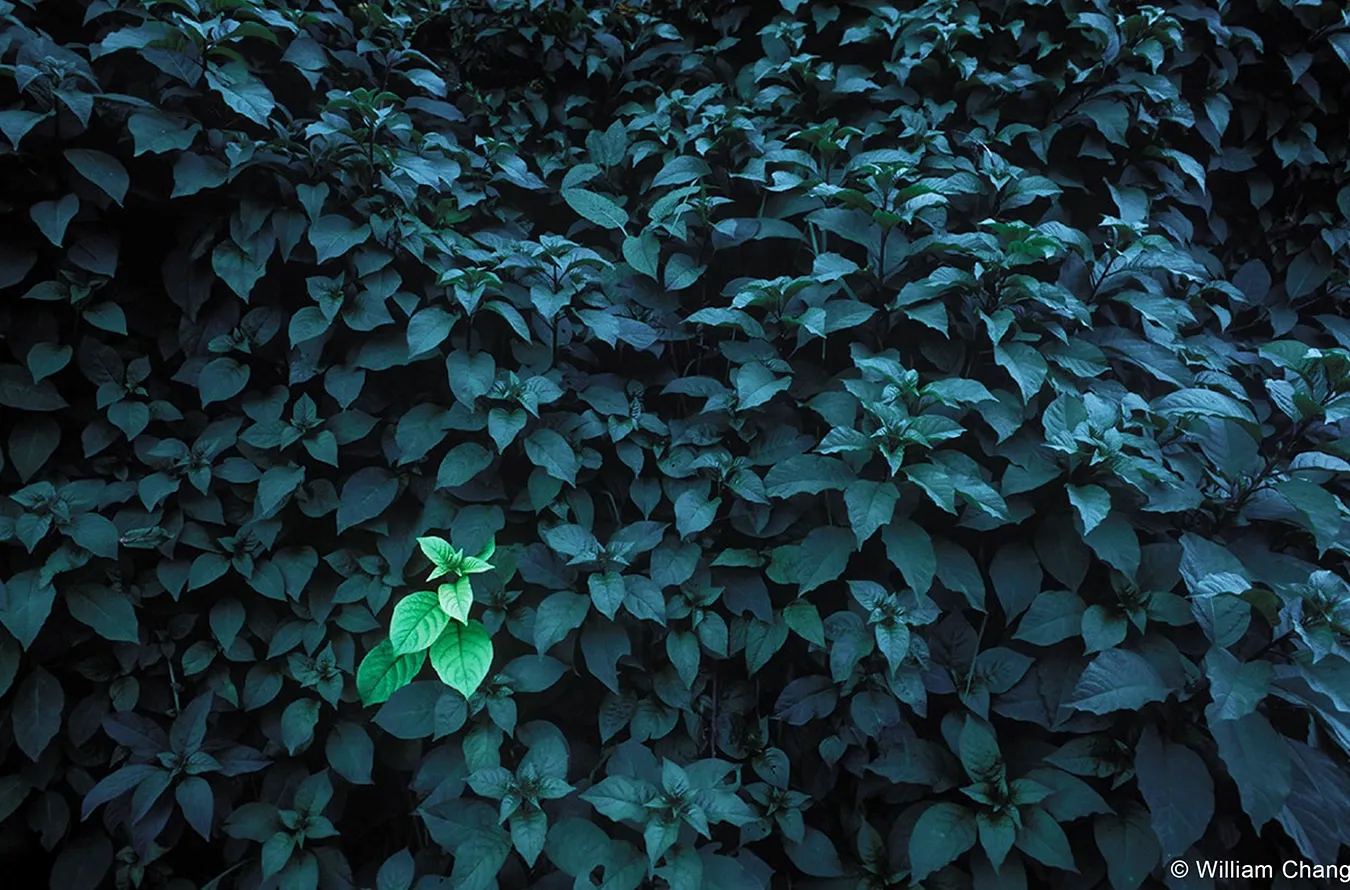
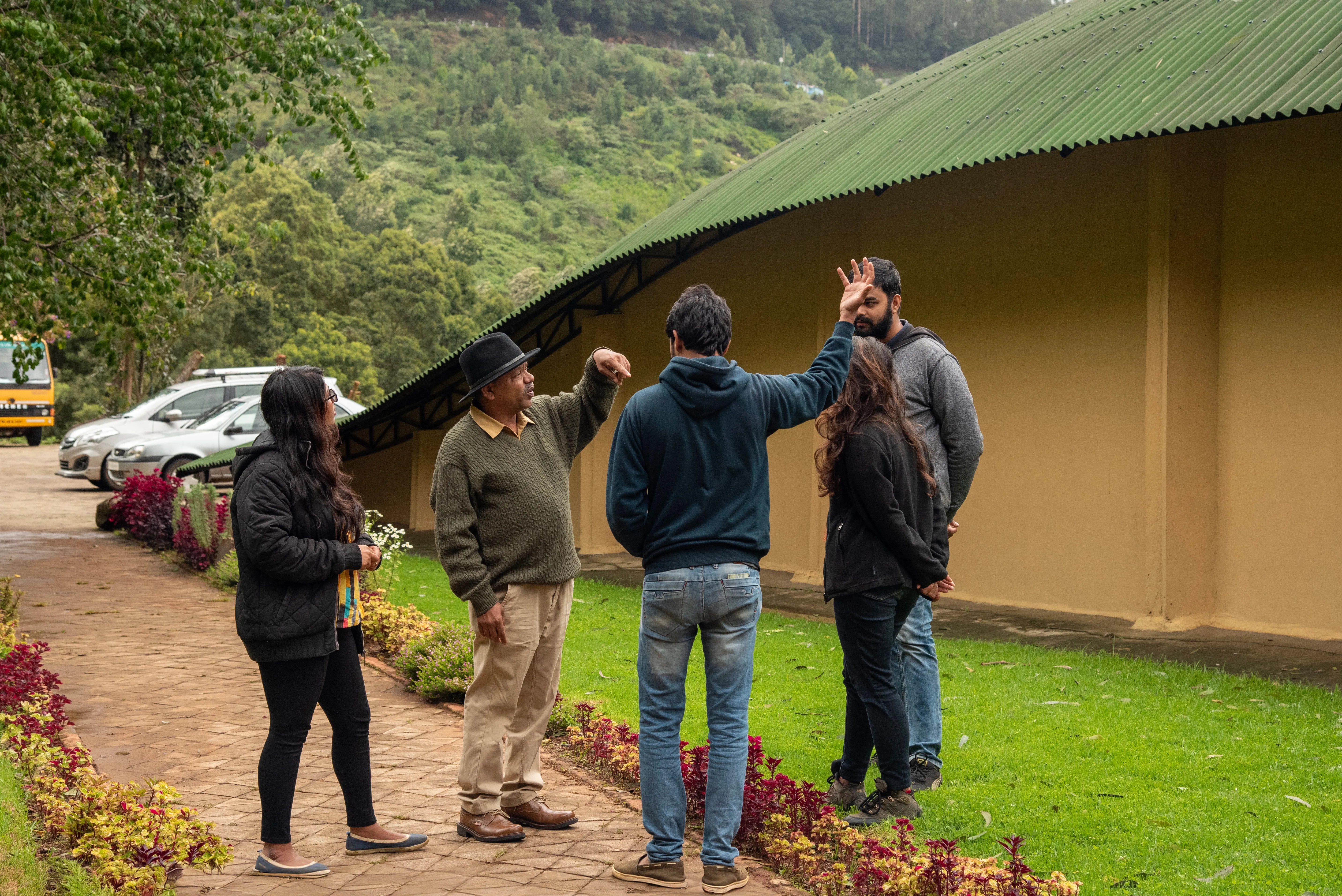
The observation and appreciation of nature is an essential part of the ethos of Light & Life Academy. Cultivating the habit of observing nature in terms of shape, form, colour, texture and very critically, light - is therefore a very important component of the course. Capturing the essence of the subjects in all their dimensions and the mood of the moment with particular emphasis on creating an image that will inspire personal exploration and conservation will be the focus of this section. The lectures will cover different geographical terrains, a wide gamut from vast landscapes to nature close-ups and macro photography.
There will be time bound assignments with critique and grading. People working in the field of environmental conservation will interact with the students - essential from a sensitisation point of view. Field-trips with faculty will be an integral part of this section, where the group as a whole will produce a feature story.
Section D
Wildlife Photography
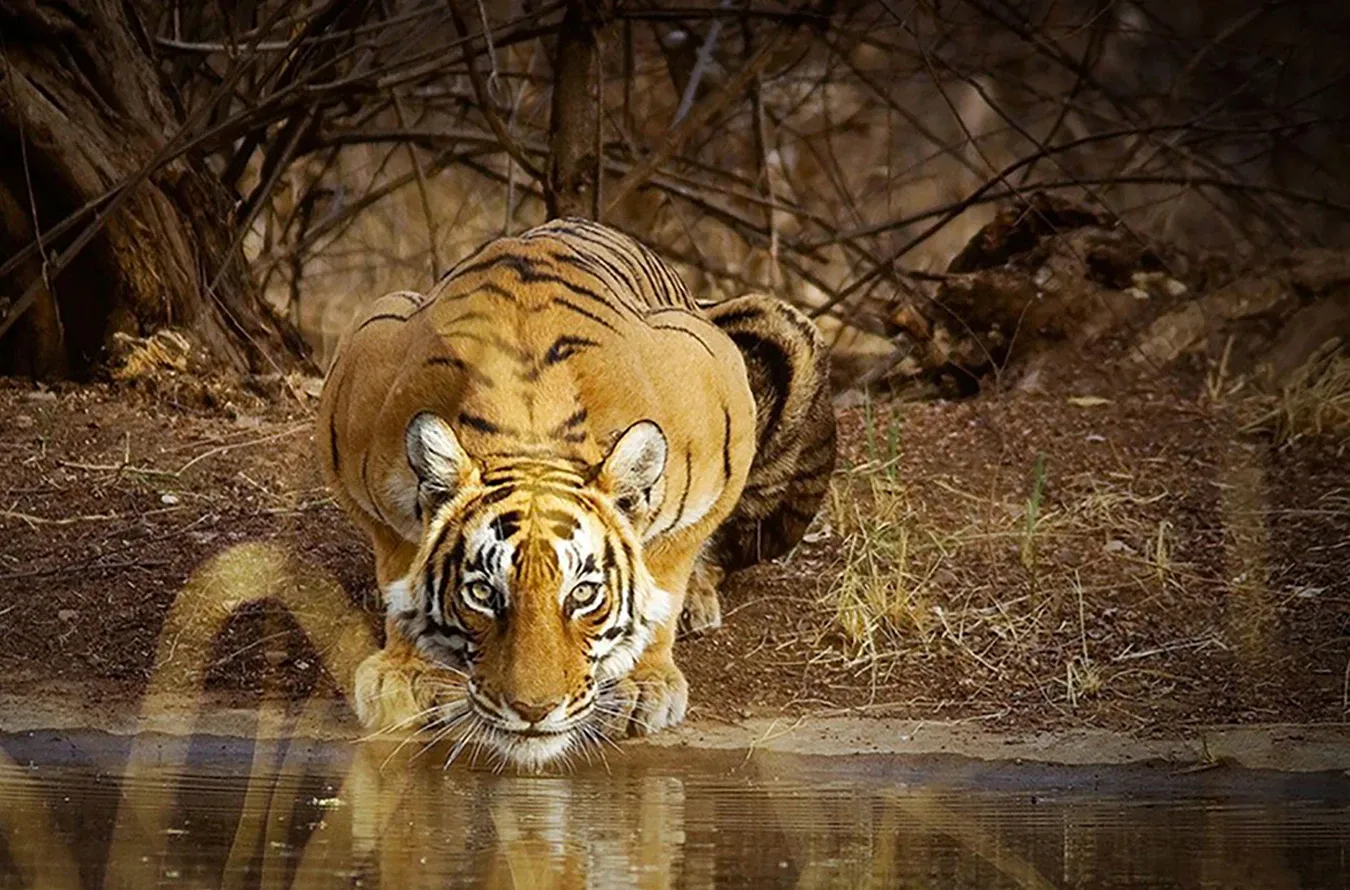
The fundamental requirement to be able to do memorable wildlife photography is to understand the habitat and behaviour of the subject being photographed. Learning about the unique challenges faced in doing wildlife photography. Capturing wildlife images using all that has been learnt so far. The importance of conservation and the role of the photographer in this process.
An established wildlife photographer will lead this session. There will be lectures and slide shows. Students will be taken to a Wildlife Sanctuary/National Park for a hands-on experience of wildlife photography. Assignments will be given that can be done around the Nilgiris. With critique and grading. There will also be a field trip to a destination. This is optional and will be planned for a minimum group of 12 students. At the end of the field trip, the group will do a feature story.
Section E
Travel Photography
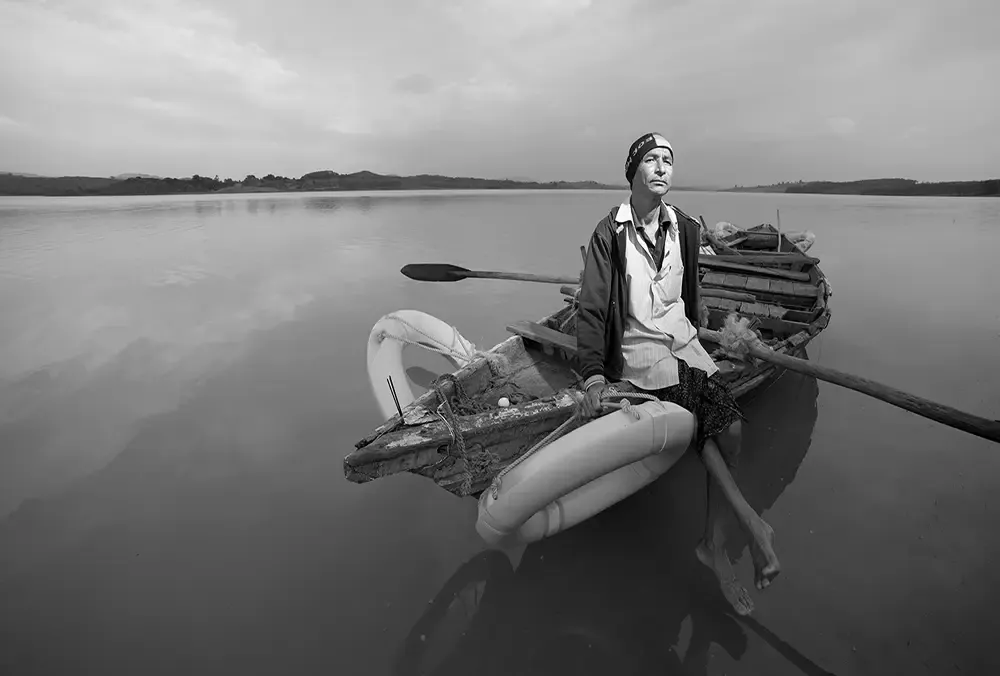
Travel photography explores the richness of places, people, traditions, festivals, food, and cultural practices that define a region. By engaging deeply with these environments and creating meaningful images, photographers learn to share stories that celebrate diversity and inspire curiosity. This section covers portraiture on location — both candid and studied — using natural light and portable flash. Students learn to visually narrate the character, culture, and heritage of a place, focusing on storytelling through images.
There will be lectures and slideshows, case studies, sessions on how to research a destination, planning and executing a project. The faculty will work with the students and guide them through the execution of a project. Apart from still images, the students will also make short communication pieces, which can be used as content for social media and other digital platforms. A field trip will be an essential part of this section. At the end of the trip the group will produce a feature story.
Section F
The Concept of Communication
Every visual produced by the students will endeavour to communicate something interesting, evocative and memorable to an audience – and the emphasis will be on being creative, but purpose-driven. Understanding how to communicate effectively is essential.
The section will cover the following topics:
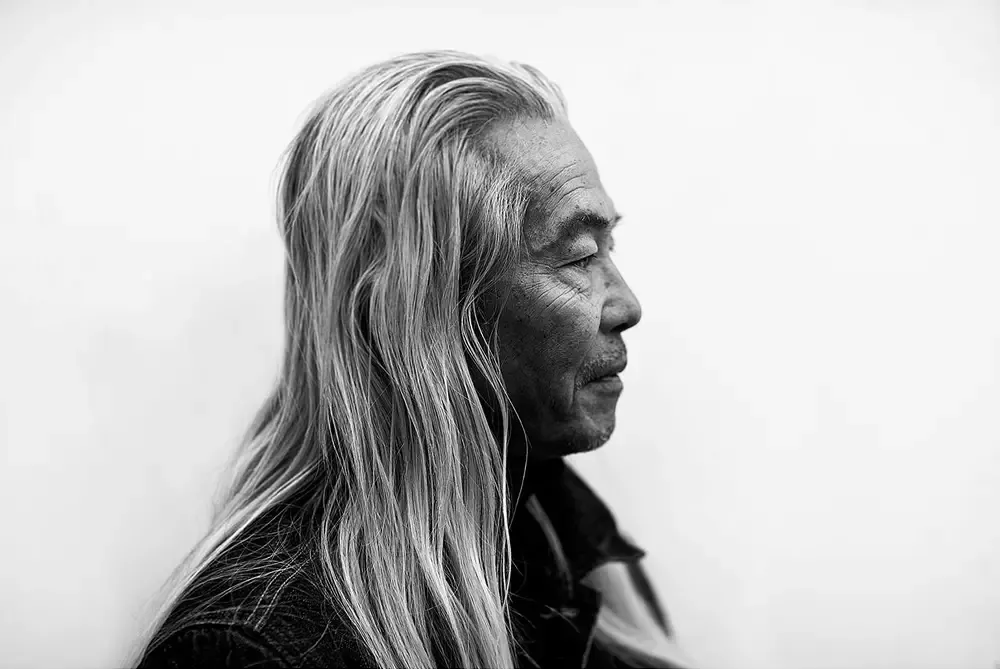
Visual Communication Basics : Principles of Design, Colour Theory & Basic Typography, Creating a picture with a story. Copywriting (The craft of persuasive writing)· These topics will be covered in workshop format at different stages during the course and will equip students with the essential knowledge on creating a piece of communication that tells a story.
Section G
Fine Art Photography
The foremost objective of practicing any visual art form is to fulfil the desire of creative self-expression. This module is designed to realise that objective.
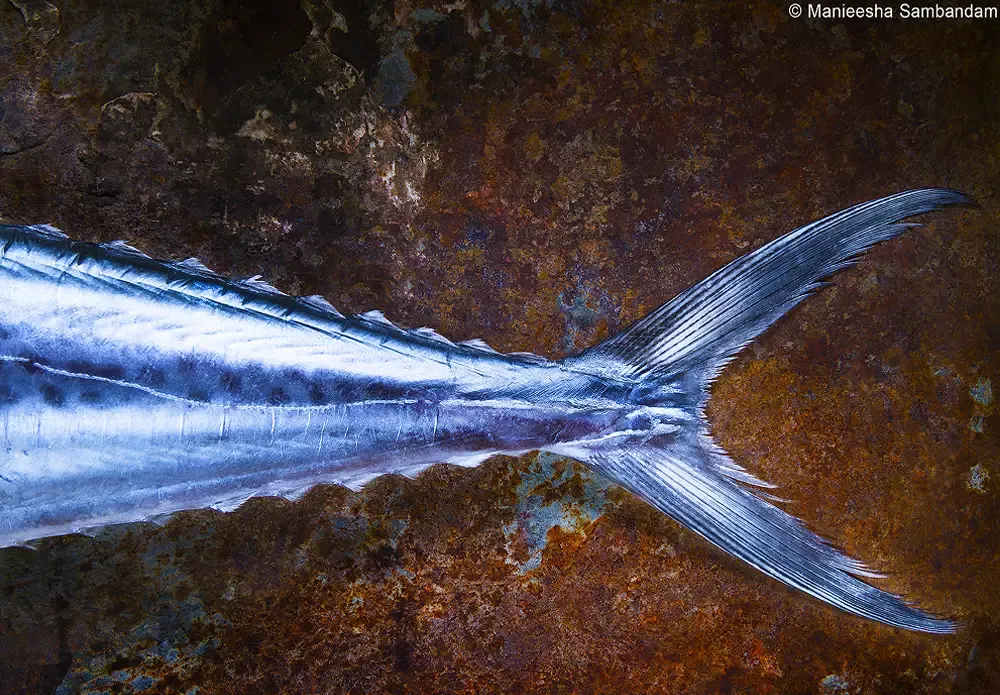
Builds on earlier modules to help students understand the process of creating a fine art image. Covers key photographic methods and techniques for producing work suitable for exhibition or sale. Includes detailed study of Digital Black and White Photography, with a focus on creative post-production. Furthermore, students will learn about the process of curating, sequencing, formatting and presentation of images to suit various platforms.
There will be time-bound assignments with critique and grading.
Part 2: Video Production
Overview
Video Production
This part builds on the fundamental concepts of creating a visual (Light, colour and design) covered in the Professional Photography segment and gives an immersive learning experience on applying these to the moving image. Plus all that it takes to create a complete piece of communication in video. Students will work with their DSLR / Mirrorless cameras.
Section A
Foundations of Video Production
A solid grounding in technical and creative principles for shooting video.
- Camera Fundamentals & Lenses for Video
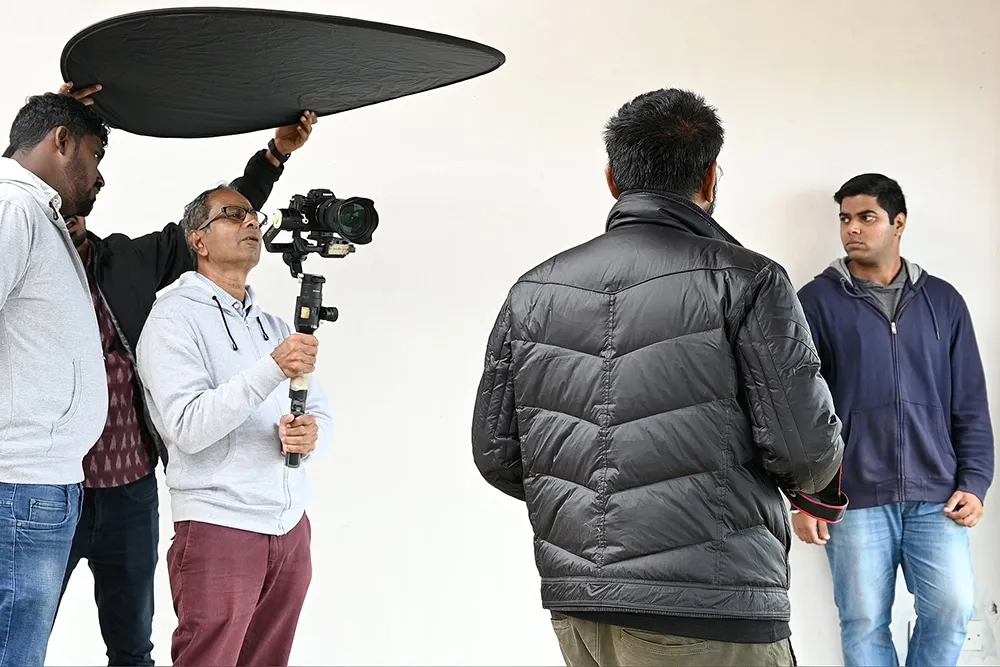
- Camera Movements: Tripod, handheld, gimbals, sliders.
- Composition for Moving Images: Framing, depth, and dynamic balance.
- Lighting for Video (Intro): Natural light and basic artificial lighting setups.
- Low-Light Cinematography: Techniques and camera settings.
- Slow Motion & Time-lapse
Every topic will be covered through lectures, demos, and time-bound assignments with critique and grading.
Section B
Editing Fundamentals & Post-Production
- Editing Software: Adobe Premiere Pro / DaVinci Resolve. Project setup & organisation, media management, basic editing tools & workflow, transitions & effects.
- Colour correction & basic grading, export settings & delivery.
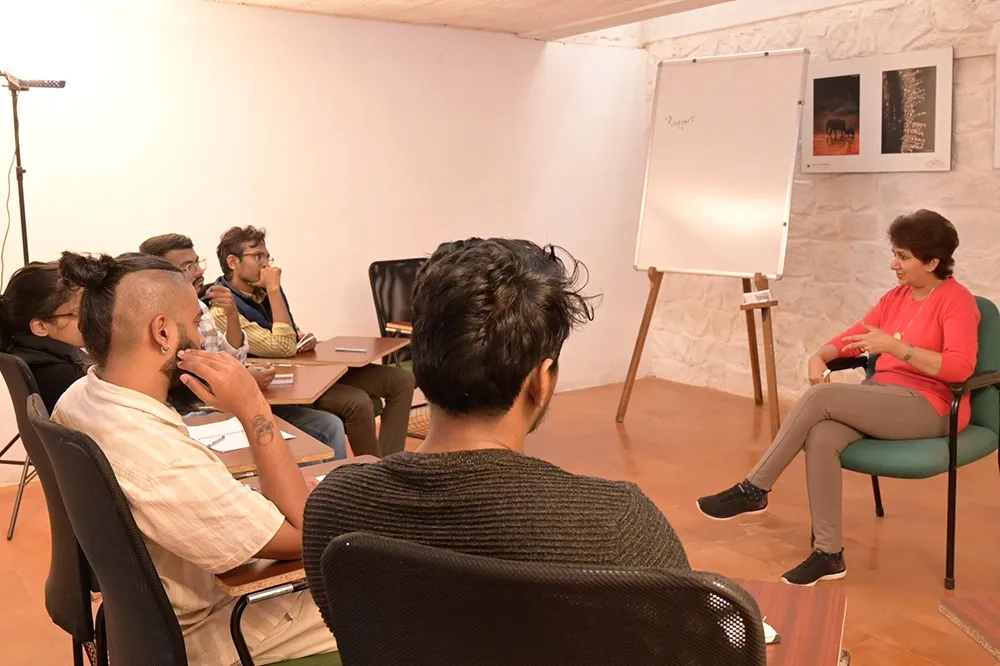
- Editing Theory: Rhythm, pacing, visual flow.
- Matching shots and creating mood.
- Titles & graphics
Every topic will be covered through lectures, demos, and time-bound assignments with critique and grading.
Section C
Audio for Video & Sound Design
- Recording Clean Dialogue: Lavaliers, shotguns, booms.
- Ambient & Location Sound: Capturing atmosphere for realism.
- Audio Editing Basics and Software - Adobe Premiere / Pro Tools
- Sound Mixing & Syncing for Video.
- Music Selection & Licensing: Mood, tempo, and copyright considerations.
Every topic will be covered through lectures, demos, and time-bound assignments with critique and grading.
Section D
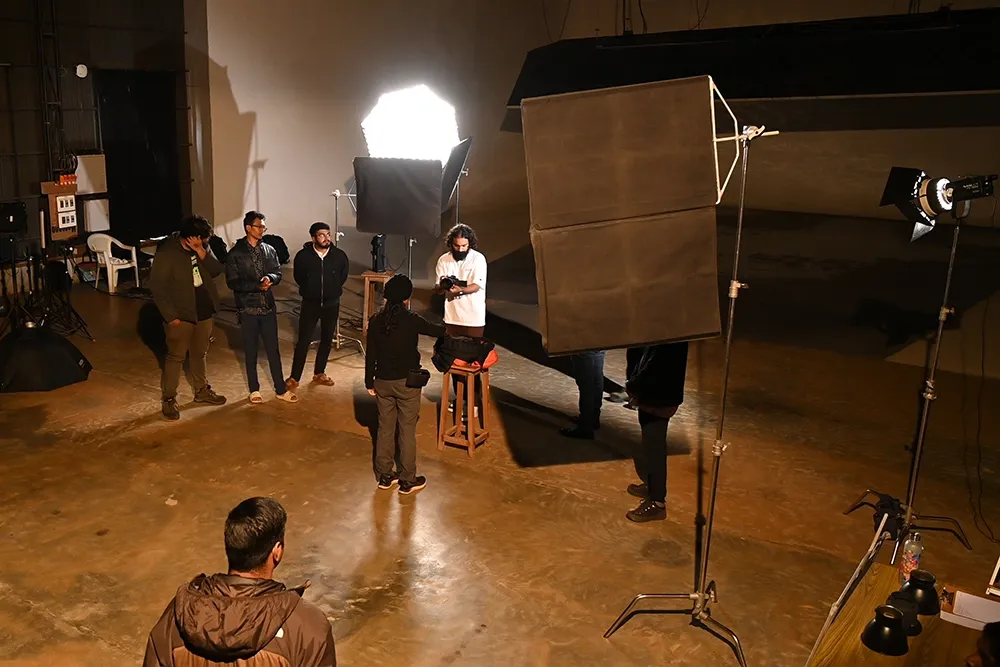
Pre-Production
- Professional planning processes that save time and elevate final output.
- Concept Development: Research, idea refinement, treatment documents.
- Scriptwriting for Video: Structure, pacing, dialogue, and voiceover writing.
- Storyboarding & Shot Lists: Visualising scenes and planning coverage.
- Mood Boards & Look Books: Defining visual tone for clients/teams.
- Location Scouting & Management: Permissions, recce reports, safety planning.
- Scheduling & Call Sheets: Organising shoots professionally.
This section will be covered in workshop format, with case studies, practical assignments and feedback.
Section E
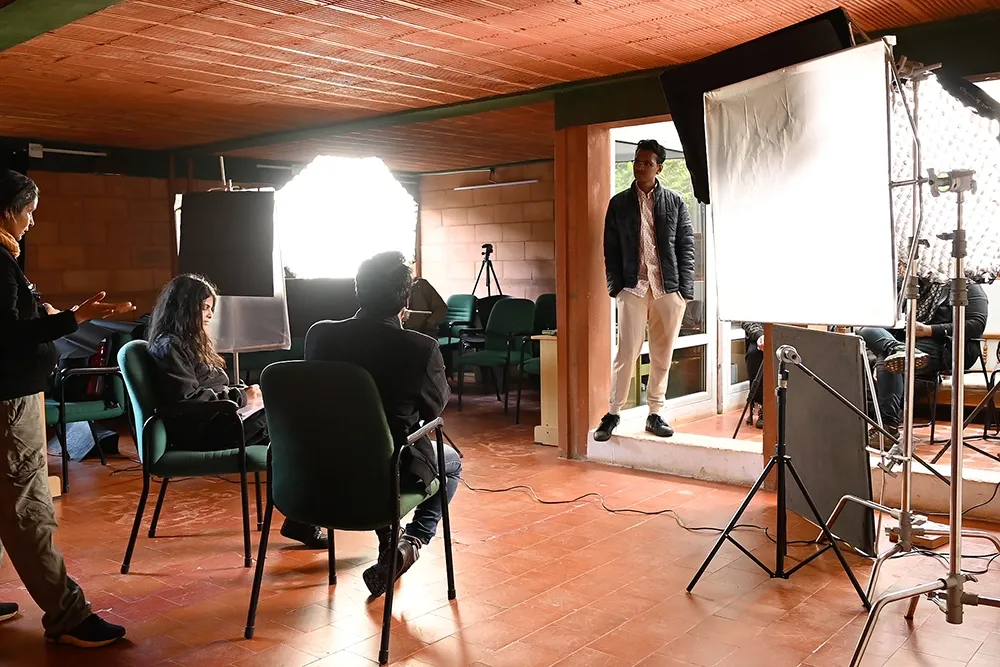
Visual Narration (Social Media, Fiction & Non Fiction) (Group Exercise)
- Shooting small scenes to exercise the grammar of Filmmaking ( Scripting, Shooting & Editing )
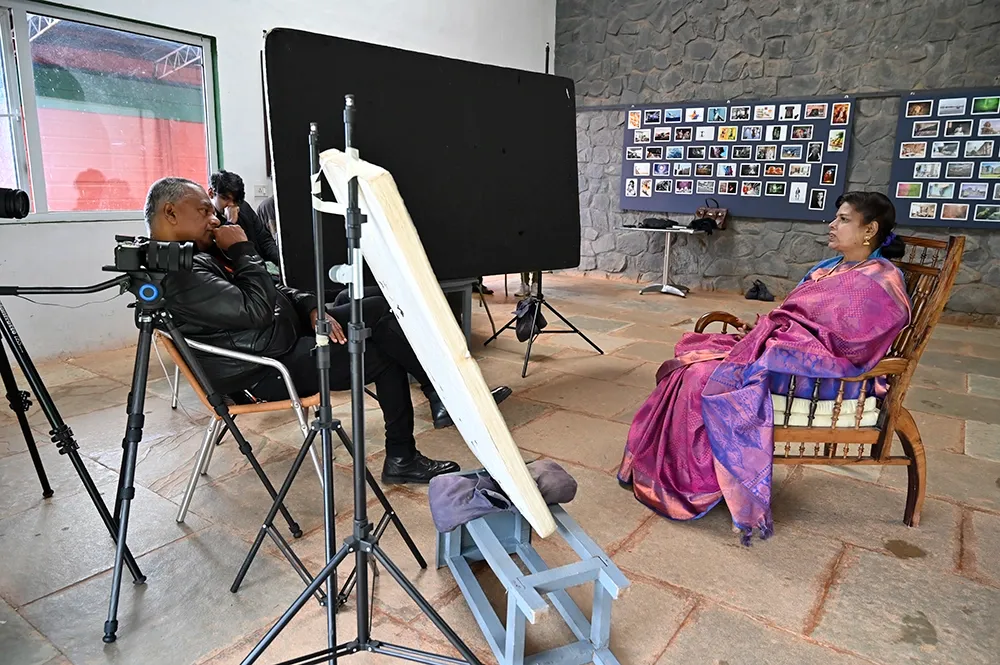
- Shooting an interview to exercise the knowledge of : Scripting , Shooting , Recording Audio, Shooting A Roll , B Roll & Editing
- Creating short form content for Social Media
This section will be covered through lectures, demos, and time-bound assignments with critique and grading.
Section F
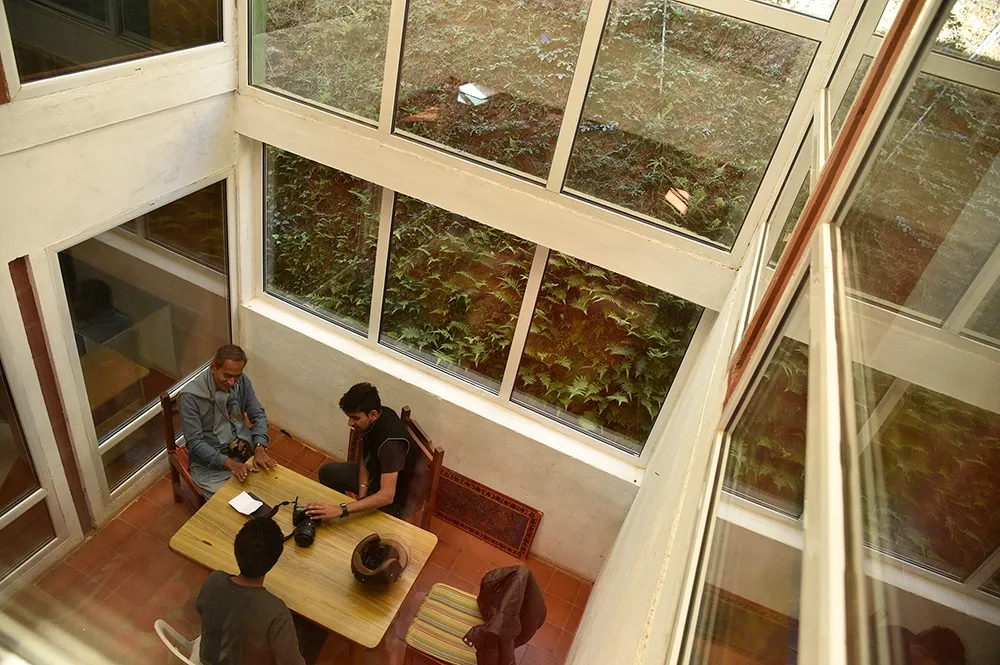
Multi-Platform Content Strategy
- Repurposing and adapting content for maximum reach.
- Shooting for multiple aspect ratios (16:9, 9:16, 1:1).
- Editing for varied lengths (6s, 15s, 30s, 60s, long-form).
- Narrative compression: telling a full story in seconds.
- Platform-specific optimisation: YouTube, Instagram, LinkedIn.
This section will be covered in workshop format, with case studies, practical assignments and feedback.
Portfolio
Portfolio
Portfolios showcase a student's talent, exposure, and experiences, built from everything they learn during the course. Having a good portfolio to present will be the first entry point into the industry, hence it is a very important component of the course.
Students will be required to submit portfolios in both areas : Travel & Nature: Professional Photographs & Video Showreel.
A detailed brief will be given before the students start working on their portfolios.
On submission of a portfolio that meets Light & Life Academy standards, they will be eligible for the award of the Post Graduate Diploma in Travel and Nature Photography & Videography.
Course Information
Evaluation is done on a continuous basis, on assignments submitted and tests administered. The students are expected to clear every single assignment/test with a minimum score of 70%. Light & Life Academy believes that every student can make the grade, and the student is given enough opportunities and assistance from the faculty to achieve the minimum grade for every assignment.
Note: The policy of the Academy is to update the course content constantly. This is based on developments in the field/industry (technical, aesthetic & communication). The course content, schedules and methodology are therefore subject to change even as the course is in progress.
Student Testimonial
Testimonials
Over the last twenty-five years, LLA has become more than a photography school—it’s a space that has shaped and been shaped by everyone who’s walked through it. Here are words from those who’ve shared this journey with us—friends, mentors, industry voices, and visitors whose encounters with LLA have left a lasting impression.

LLA was the perfect turning point in my life. Learning at LLA – from the people, faculty, and students has changed my thinking completely. Hoping to be a better photographer I joined LLA, to learn, observe and practice the Art – Now I leave this place as a better person and a better photographer.
Shriram Bala
Alumnus, Batch 17
I never knew that I could learn so much in six months. My passion for photography grew from just a hobby to being a professional. We’ve had ups and downs in this course where we wanted to learn more and there was not enough time to do it. But overall it’s been an amazing roller coaster ride and I loved it every bit. The best part was that it was a small group of students and we got close and became a family.
Prathiksha.M.K
Alumnus, Batch 17
The time I’ve spent in LLA has been the best year of my life.The sessions, explanations, critiques, constant feedback, the way we were taken care of, the love we got, all the fun we had, just amazing and we truly loved it. I constantly keep looking for reasons to come back to my College, my Home- Light & Life Academy.
Anurag Katailiha
Alumnus, Batch 17
How To Apply
Eligibility
Open to any graduate (minimum 15 years of formal education) above 20 years of age. Exceptions may be made for applicants with relevant work experience. You can reach out to us in case you have any doubts or clarifications.
📞 +91 75982 87370
📧 admissions@llacademy.org
Admission Process
Admission is on a first-come, first-served basis and follows a two-step process:
- 1. Online Application Review by Light & Life Academy
- 2. Personal Interview on campus with the Director(s). Applicants are notified of their admission status soon after the interview
Apply Online
Step 1: Fill out the online form using the unique URL sent to your email. Upload: a recent passport-size photo, educational certificates, reference letters (optional), and a portfolio of 20 images.
Step 2: Complete online payment of the application fee — ₹1,500 + GST.
Frequently Asked Questions
Light & Life Academy expects 100 percent attendance for all classes, demos, critique sessions and shoots in the studio. This is to ensure that the learning is thorough and every single concept that Light & Life has to teach is understood.